


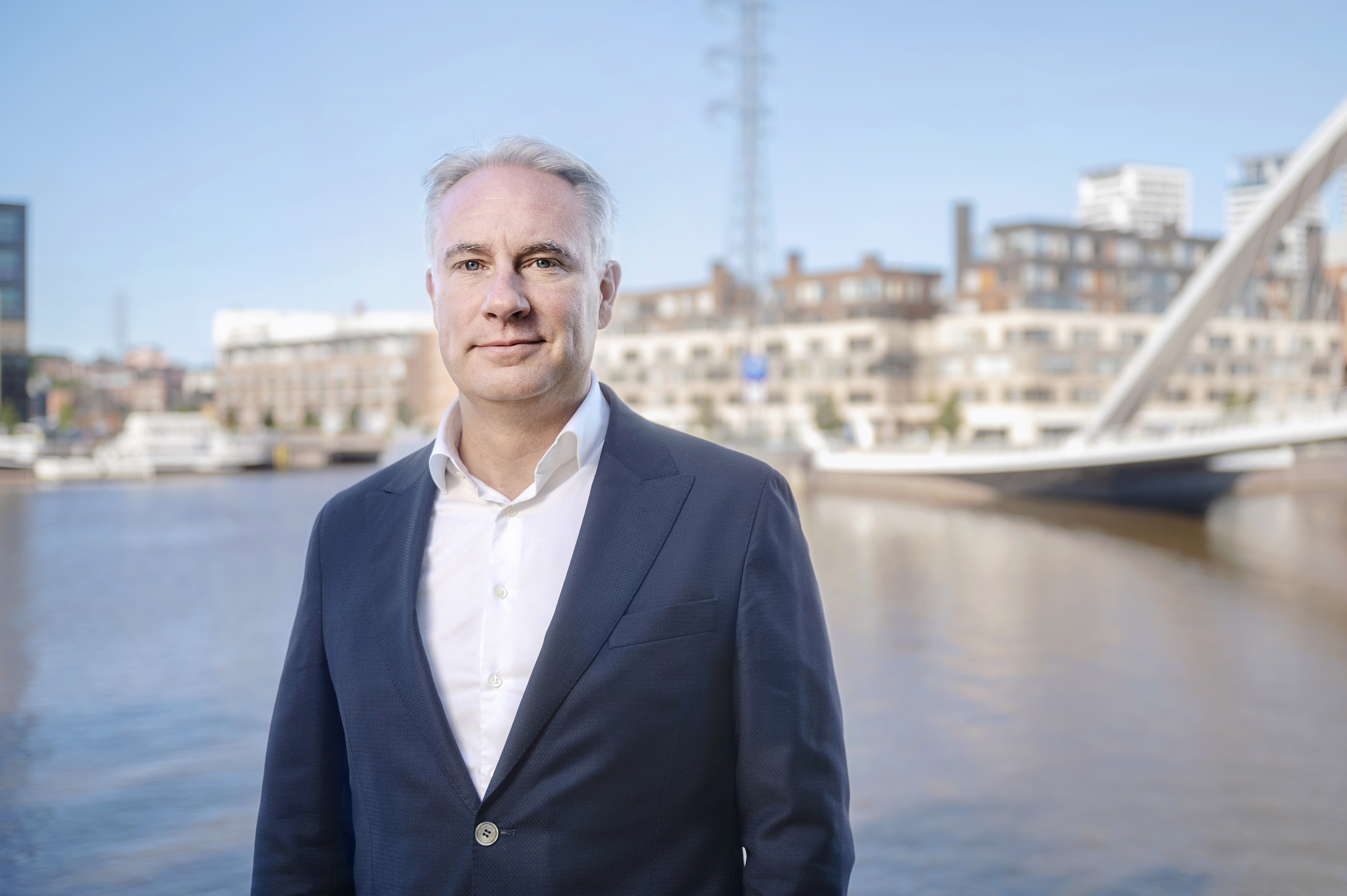
 Kari Sundbäck


Kari Sundbäck’s blog: lower-emission steel will become a competitive advantage for companies
Enersense International Plc | Press Release | July 01, 2026 at 09:00:00 EEST
Globally, steel is one of the most significant sources of emissions. As these climate emissions are curbed at EU level, lower-emission steel will become a competitive advantage for companies. Companies’ procurement decisions shape what the entire industry will look like in the future, writes Kari Sundbäck, CEO of Enersense.
Steel is an essential construction material, but its production accounts for more than one tenth of global carbon dioxide emissions. Lower-emission production methods already exist, and we must transition to them as quickly as possible. For me, it is important that the company I lead is part of this change.
A single material choice can determine a project’s carbon footprint
At Enersense, our goal is to reduce our emissions in line with the 1.5-degree target of the Paris Agreement, meaning at least a 40% reduction from 2023 levels by 2035. I recognise that this target is ambitious, but we have the means to achieve it.
The most impactful way to reach this goal is to increase the use of lower-emission materials, as the products and services we purchase account for more than 90% of our carbon footprint. At the same time, we can increase our own carbon handprint – that is, our positive climate impact.
Three transmission grid substations will soon be completed in Southwest Finland, where recycled steel has been used. Its carbon dioxide emissions are around 40% lower than those of conventional steel. The project would not have been possible without the strong commitment of the client – Fingrid.
In addition, we collaborate with WWF Finland to support the increased use of lower-emission steel in construction projects. Environmental organisation has been an important partner for us when we have needed independent expertise on the environmental impacts of steel. In May 2026, we jointly produced a guide on our website to support the procurement of lower-emission steel. I hope it will help our customers in choosing lower-emission options.
We are also promoting the use of lower-emission steel in other ways: we are installing pipelines and steel structures for the water treatment plant at the world’s first large-scale green steel mill, which is being built in Boden, northern Sweden. Water treatment is a key part of the green steel plant’s operations.
The EU is also encouraging the use of low-carbon materials. In a regulation proposal issued by the Commission this year, it is suggested that minimum requirements be set for the share of lower-carbon steel in certain public procurements starting from 2029. The transition to low-emission materials may therefore happen sooner than we expect.
Companies’ procurement decisions guide investments in the steel industry
Steel is currently produced mainly using two methods: from iron ore and from recycled steel.
The emissions from recycled steel production are significantly lower, because most of the emissions from conventional steel arise from the coal-based reduction of iron ore. However, recycled steel alone is not sufficient to meet global demand for steel, even though steel is one of the most efficiently recycled materials in the world. A sustainable long-term solution is to produce virgin steel using hydrogen and renewable energy.
In the short term, the question is about making use of existing alternatives. Long-term success will depend on strengthening demand now. By 2030, 71% of the world’s blast furnaces will reach the end of their technical service life. If low-emission steel is not in demand among builders, investments may be directed towards high-emission technologies. This would lock emissions at a higher level for decades.
At present, companies are making decisions that shape the entire market – perhaps without even realising it. Companies’ procurement choices influence what the entire industry will look like in the future. Those who build supply chains and expertise now will be one step ahead.